
How Hills, Clay Soil, and Water Tables Lead to Basement Leaks in Pittsburgh Homes
Carnegie, United States - April 3, 2026 / Highlander Waterproofing & Foundation Repair /
For homeowners in Western Pennsylvania, a wet basement often feels like an unavoidable rite of passage. While many believe a leaky foundation is simply the result of an old house or a heavy storm, the truth is deeply rooted in the very ground beneath our feet. Pittsburgh’s iconic landscape—defined by its rolling hills, steep valleys, and complex river systems—is a primary driver of residential water issues.
At Highlander Waterproofing & Foundation Repair, we have spent decades studying how the specific geography of the “Steel City” affects structural integrity. Understanding the relationship between Pittsburgh’s topography and your basement is the first step toward creating a permanent, dry solution for your home.
The “Pittsburgh Factor”: Hillsides and Hydrostatic Pressure
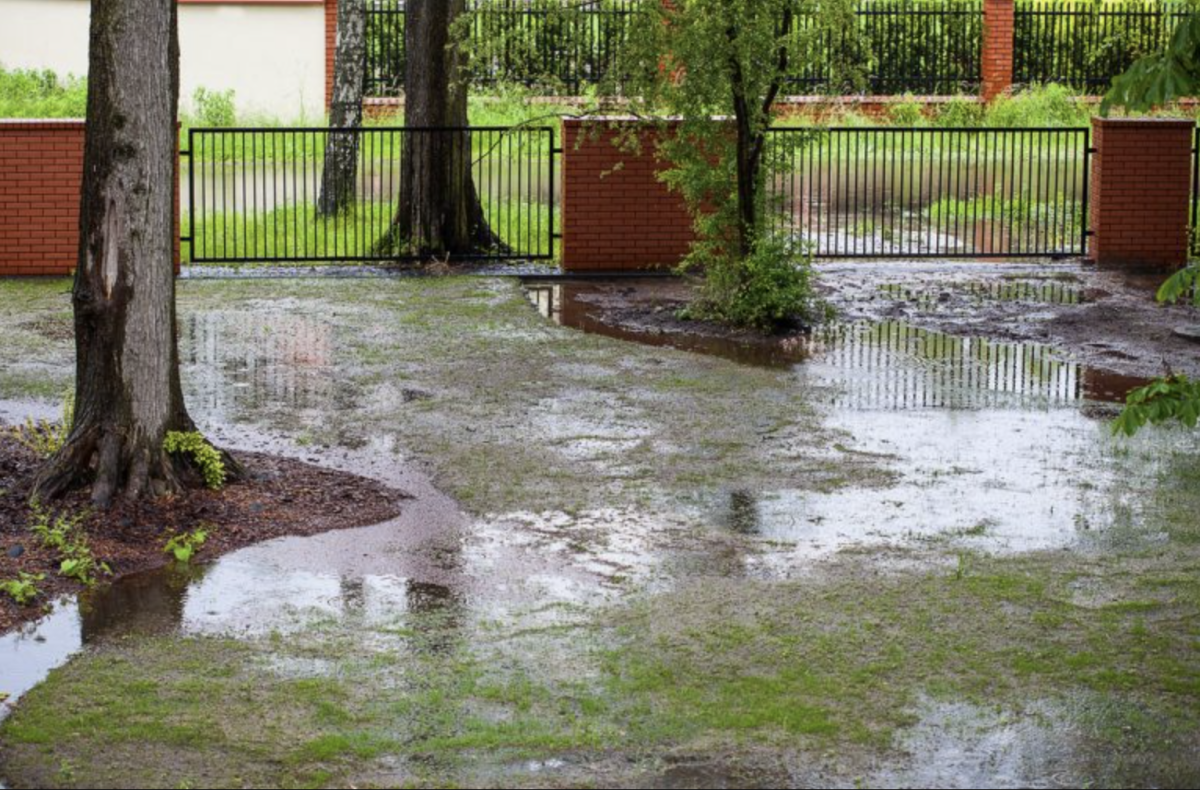
Pittsburgh is famous for its verticality. Whether you live in Mt. Washington, Troy Hill, or a valley in the South Hills, your home is likely built on or near a slope. This topography creates a natural funnel for surface water. When it rains, gravity pulls water down the hillsides, where it eventually meets a significant obstacle: your foundation walls.
As water accumulates against the uphill side of your foundation, it creates what engineers call hydrostatic pressure. Because water is heavy, this pressure exerts thousands of pounds of force against your basement walls. In Pittsburgh, this force is amplified by the “bowl effect,” where water trapped between the hillside and your home has nowhere to go but through the pores in your concrete or the mortar joints of your block walls.
 The Role of Western PA Clay and “Red Beds”
It isn’t just the slope of the land that causes trouble; it is the composition of the soil itself. Western Pennsylvania is notorious for its high clay content and geological formations known as “Pittsburgh Red Beds.” These clay-heavy soils are highly expansive and poorly drained.
During a typical Pittsburgh spring, the soil absorbs massive amounts of moisture from snowmelt and rain. As the clay expands, it acts like a saturated sponge pressed against your house. Unlike sandy soils that allow water to drain away quickly, Pittsburgh clay holds moisture for days or even weeks, keeping your foundation in a constant state of “soak.” This prolonged exposure leads to the white, powdery substance known as efflorescence on your walls—a clear sign that water is migrating through the masonry.
How Our River Valleys Affect Your Water Table
Proximity to the Allegheny, Monongahela, and Ohio Rivers also plays a role in basement health. For homes located in lower-lying neighborhoods or valley floors, the “water table”—the level at which the ground is permanently saturated—is often much higher. During periods of heavy rain, the water table rises, pushing water up through the floor of your basement.
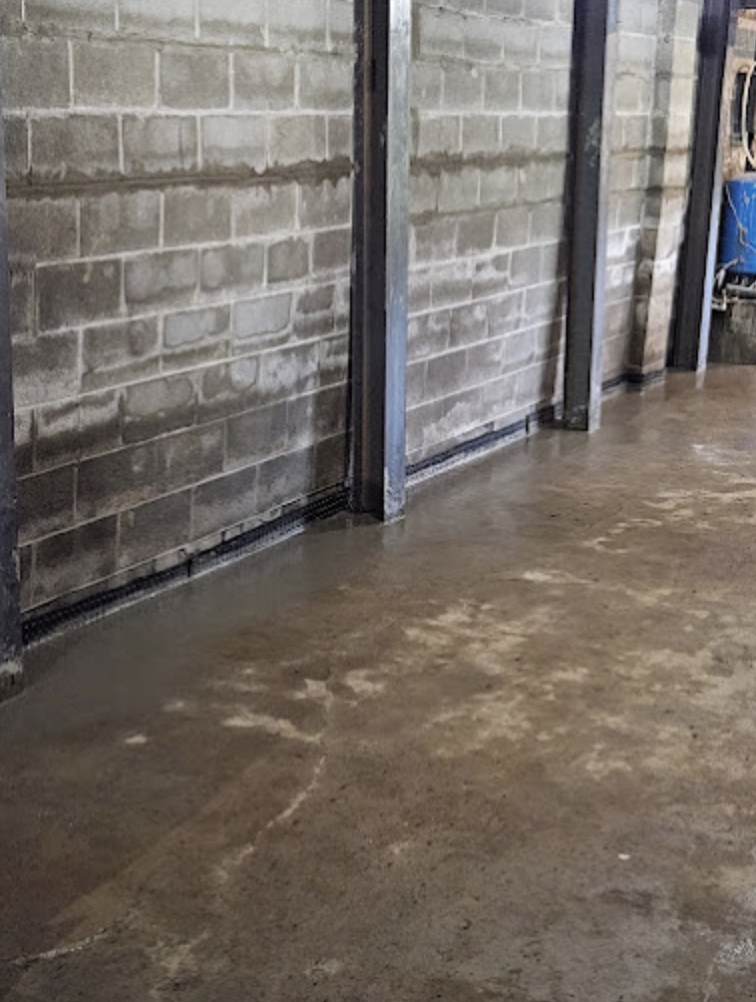
This “bottom-up” flooding is different from “side-in” seepage. It often manifests as water coming up through floor cracks or at the “cove joint,” where the wall meets the floor. Without a professional pressure-relief system, even the strongest concrete floor can eventually succumb to the upward force of a rising water table.
Critical Waterproofing Components for Local Homes
Given these geographical challenges, a standard “plug-the-hole” approach rarely works in Pittsburgh. To effectively combat the local topography, homeowners need a comprehensive system that manages water both inside and out.
1. The Importance of a Battery Backup Sump Pump
In our region, power outages during severe thunderstorms are common. If your primary sump pump loses power while a hillside’s worth of water is rushing toward your home, your basement will flood in minutes. A high-quality battery backup system is not a luxury in Pittsburgh; it is a necessity for continuous protection.
2. Interior Pressure Relief (Footer Tiles)
Because we cannot change the hills or the clay soil, we must provide the water with a path of least resistance. An interior drainage system installed at the footer level intercepts water before it ever reaches your basement floor, directing it safely to the sump pit.
3. Strategic Yard Drainage
Managing the water you can see is just as important as managing the water you can’t. Professional grading and the installation of catch basins or French drains can redirect hillside runoff around your home rather than into it.
Frequently Asked Questions
Why does my basement leak even days after the rain stops?
This is due to the high clay content in Pittsburgh soil. The clay holds onto moisture long after the storm has passed, maintaining hydrostatic pressure against your walls until the ground finally dries out.
Can I fix my hillside drainage issues with just gutters?
While clean gutters and downspout extensions are essential, they often aren’t enough for homes on steep slopes. Surface water from the yard itself often requires a dedicated French drain or swale to move water safely past the foundation.
Does homeowner’s insurance cover flooding from topography?
Most standard policies do not cover “seepage” or “groundwater intrusion.” They typically only cover sudden pipe bursts. This makes preventative waterproofing a critical investment in protecting your home’s equity.
Protect Your Pittsburgh Home from the Ground Up
Your home’s foundation is constantly battling the unique geography of Western Pennsylvania. Don’t wait for the next heavy “Pittsburgh soak” to find out if your basement is protected. Whether you are dealing with damp walls in Wexford or standing water in Washington, the team at Highlander Waterproofing & Foundation Repair has the local expertise to design a solution that fits your specific topography.
Ready to stop the seepage for good? Contact Highlander today for your free, no-pressure basement inspection. Let us help you reclaim your basement.


Contact Information:
Highlander Waterproofing & Foundation Repair
600 N Bell Avenue #210B
Carnegie, PA 15106
United States
Giulio Bevilacqua
(877) 415-0564
https://highlanderwaterproofing.com/
