As homeowners increasingly favor handcrafted materials and aged metals in their interiors, RTZEN has issued practical guidance urging that decorative wall hardware be evaluated for structural performance, not appearance alone. The response follows the release of the Houzz 2026 U.S. Fall Design Trends Report, which identifies a broad shift toward interiors with more character, history and personal expression.
The Houzz report, based on interviews with nearly 50 home-design professionals, points to renewed appreciation for handcrafted tile, artisan plaster, natural stone, aged metals, vintage pieces and original architectural details. A separate 2026 Houzz & Home Study, which surveyed more than 20,000 U.S. respondents between January and March 2026, found that 61 percent of renovating homeowners plan to stay in their homes for 11 years or longer, while 44 percent describe their residence as a forever home.
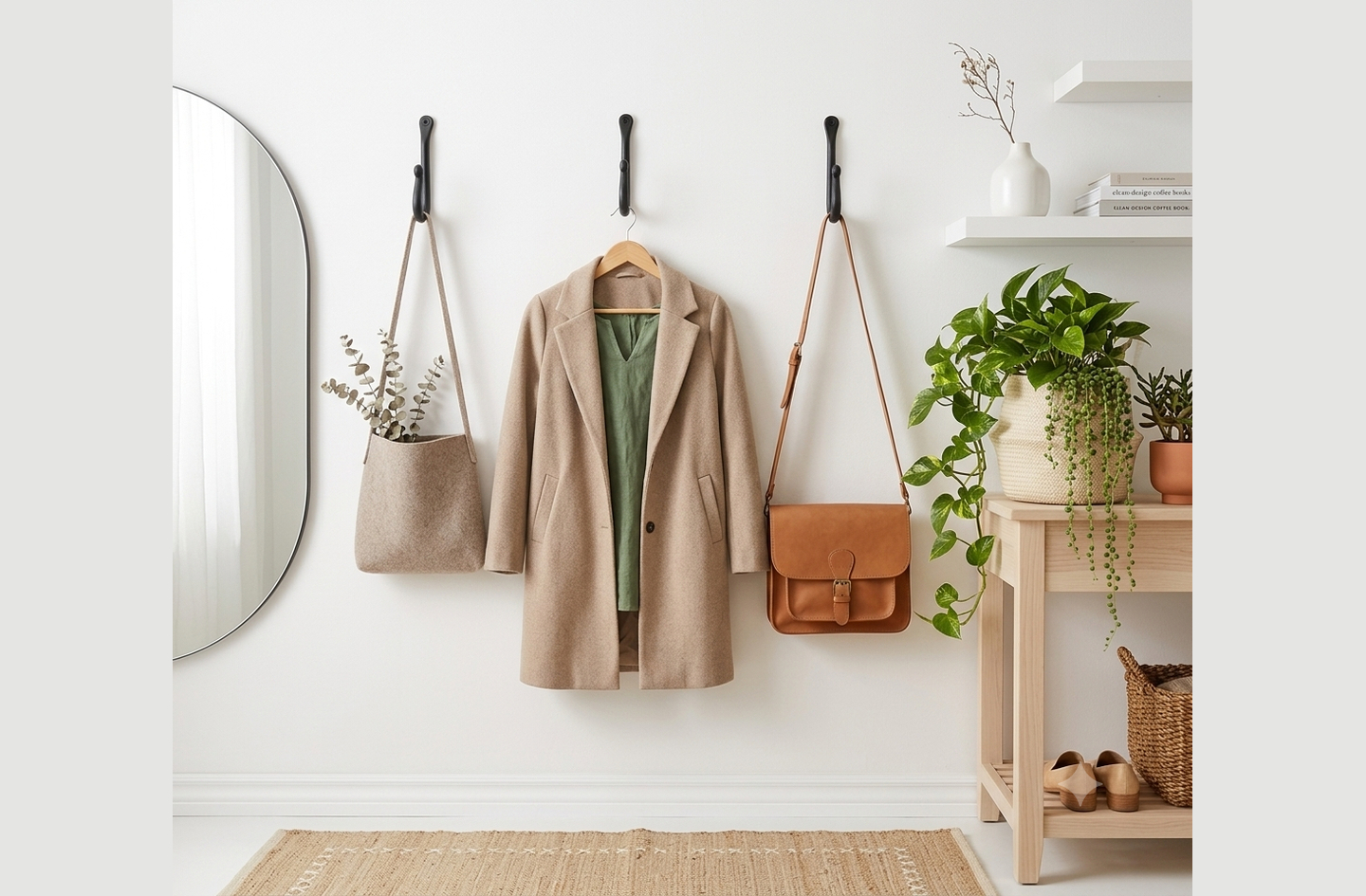
RTZEN, a family-owned wrought iron décor and hardware specialist established in 1997, notes that these two developments together raise a practical question for anyone installing visible metal hardware intended to last. When homeowners plan to keep a piece for years, the demands placed on it change, particularly once a wall hook must carry coats, loaded bags, tools or bikes every day.
To help homeowners apply the trend responsibly, RTZEN outlines several considerations in its published resources. The company's RTZEN Heavy Duty Wall Hooks Guide explains that an advertised weight rating does not determine installed capacity on its own, because performance depends heavily on whether a hook is fastened into a wood stud, drywall anchor or masonry.
"A wall hook stops being a styling detail the moment it holds real weight," said Rami Abramson, CEO and Co-Founder of RTZEN. "The hook, the fasteners, the wall substrate and the actual load all work together as one system. A strong metal hook mounted incorrectly can still fail, which is why installation deserves as much attention as the hardware itself."
Material and construction also factor into long-term reliability. The RTZEN Guide to Wrought Iron Wall Hooks addresses the difference between solid wrought-iron construction and lighter decorative hardware, covering joint construction, hook geometry and protective finishes. RTZEN produces its hooks through a four-stage process of cutting, hand-forging, zinc galvanizing and powder coating, and documents welded joints and mounting points for load-bearing use.
For storage of bulkier items, the RTZEN Heavy Duty Garage Hooks Guide covers the same system-based approach applied to tools, ladders and equipment. Abramson added that function and character need not be at odds. "The appetite for aged metals and handcrafted detail does not force a choice between looks and performance," he said. "Hardware can contribute visually while still being selected according to load, mounting method and everyday use."
RTZEN, operated by Iron-Craft and rooted in traditional blacksmithing techniques, creates hand-forged hooks, holders, hangers, curtain holdbacks and planter hooks designed for daily use across farmhouse, modern, classic, vintage, bohemian and minimalist interiors. The company builds its products around three pillars of craftsmanship, quality and durability, and backs them with a Lifetime Warranty.
###
For more information about RTZEN, contact the company here:
RTZEN
Rami Abramson
info@rtzen-decor.com
16192 Coastal Highway Lewes
Delaware 19958
USA
